Saturday, September 12, 2015

What Comes First, Addiction Or Depression


The answer to the question what comes first, addiction or depression, is a bit of a difficult one, sometimes subject to just who is answering it. For the most part, experts and doctors have come to the understanding that these two issues work together, and are often treated as a dual diagnosis. The truth of the matter is that the majority suffering with either is going to invariably be dealing with both at some very near point.

For the most part, when it comes to addiction and depression, it is usually the depression that sets in first. There are many different ways that depression can show it's negative face. Included in these are things like feeling totally isolated, hopeless, numb, completely sad, unable to sleep well, and digestive and food related disorders. Very often this leads the individual going through these terrible times to pick up that drink or drug that they might think will help them to offset these awful feelings.

Of course, this simply begins the downward spiral of addiction, which then leads to only more depression rather than a relief of any. The two continue to feed off each other, and they nourish each other as well. This is why it is so important that the person dealing with these terrible conditions understands that there is in fact hope available to them, and a chance to put a stop to the horror going on. If they are able to get themselves to accept that they do indeed have problems, they can begin to take the steps needed to gain recovery. Taking that first step and admitting they have a problem which is out of control is just so critical. Until they can get themselves to do this, the addiction and depression is only going to worsen. But if they can take this step, the future suddenly looks so much brighter.

The good news today is that the help and assistance you are going to require to help you accomplish your goals is there for you! Please follow us for more information and resources on drug abuse and treatment.

Wednesday, August 19, 2015

What Is Powdered Alcohol And How Is It Abused?


For the first time in United States' history, powdered alcohol has gotten an authorization for sale. However, there is deep concern that various forms of alcohol abuse, especially among the youth may result, and that alcohol may even be snorted. Consequently, many States have called for a ban on the manufacturing, sale, or importation of powdered alcohol.

What Is Powdered Alcohol?

Powdered alcohol refers to alcohol absorbed by sugar derivatives, dextrin, and later put through encapsulation process. Sugar derivatives can be used to trap ethanol and create powder, which can be stored in containers until it's mixed with water or other liquids.

How It Can Be Abused

Powdered alcohol holds myriad potential of being used in risky manners, which may result into dangerous alcohol effects:

• Encapsulation process cannot prevent users from interfering with the capsule and using the powder in ways that it was not intended for.

• Powdered alcohol   can also be snorted, mixed with other products containing alcohol, or given to people who are not aware of the products they are ingesting.


• It can also be easier for the younger generations to access powdered alcohol compared to other alcohol beverages. The risks are even bigger given that the potential of powdered alcohol   have not been fully explored.

Powdered alcohol Abuse Concerns

Powdered alcohol made news when manufacturers began to produce and sell it in Europe. It was generally marketed and intended for teenagers. Now that it's approved in Unites States, many stakeholders are worried that its abuse may be rampant among teens. Its package is easily concealable and it comes in various flavors that may appeal to the younger generation---all these factors don't make this concern indefensible. Even worse is the fact that powdered alcohol can be snorted. While manufactures claim that it's impractical and even painful to snort, the risk of abuse by curious users is considerably high.

It appears that powdered alcohol products may soon be joining alcoholic water, whipped cream or jello-shots packages in our local food stores.

Accordingly, to stay informed on the latest news on powdered alcohol and more resources on drug abuse and treatment, feel free to follow us.

What Is Powdered Alcohol And How Is It Abused?

Over the years, there have been many efforts to combat drugs and substance abuse around the world. While most of these efforts have been largely successful, the recent approval of powdered alcohol products for sale in the country is expected to make things more challenging for government agencies, nongovernmental organizations and charities fighting the scourge of alcohol abuse in society.

Powdered Alcohol Explained

If you are like most people, you're probably hearing about powered alcohol for the first time today. Powdered alcohol is made by mixing dextrin, a sugar derivative, with alcohol. Dextrin absorbs alcohol up to 60% of its own weight, which means a kilogram of dextrin can absorb up to 600 grams of alcohol. This is followed by encapsulation. To make an alcoholic beverage, the powder is first mixed with water or any other liquid. If consumed in moderation, alcohol from alcoholic powder does not have any adverse effects. However, improper use or abuse can have serious adverse health effects.

Why Sale of Powdered Alcohol is Raising Concern

Some states have moved quickly to propose and pass legislation to prohibit the manufacture, distribution or importation of powdered alcohol. This is in response to what happened in Europe a few years ago. When powered alcohol was first introduced in Europe, the packaging and flavors were meant to attract underage users. Local authorities and other concerned parties fear that powdered alcohol will have the same effect in the country. Law enforcement officers are also concerned with the ease with which powdered alcohol can be concealed.

How Powdered Alcohol Can be Abused

Powdered alcohol can be abused in a number of ways. Since the product comes in powder form, snorting is a real risk. The health effects associated with powdered alcohol abuse through snorting are not clearly known, but they exist.
To use powdered alcohol, the powder must be mixed with water or any other non-alcoholic drink, but some misinformed users can mix the powder with beer, spirits, energy drinks or wines among other types of alcoholic beverages. The effects of doing this are not yet known.
Compared to liqueur, it is much easier for teenagers to obtain and abuse powdered alcohol.

Until research is done on the side effects of using powdered alcohol and laws passed to regulate its manufacture, distribution, importation and sale, consumers should avoid powdered alcohol. Follow us for more information and resources on drug abuse and treatment.
Monday, July 20, 2015

Talking About Alcoholism And Diabetes


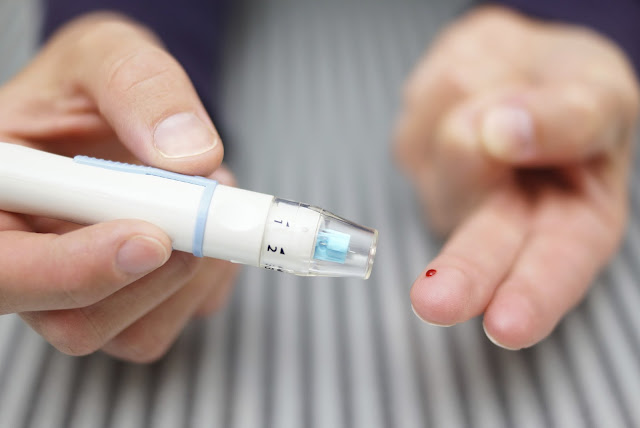
This article is in regard to such a simply devastating duo, alcoholism and diabetes. Why it is so devastating is because this combination will be one that can and will speed the individual involved to far greater sickness and suffering, and ultimately, if left unattended to, to their final demise. It can and will only have horrific effects on the person suffering, and make no mistake, on their family, friends, and anyone that cares for them. Let's take an even closer look at just how bad this situation can be.

The truth of the matter is that the alcoholic also suffering with diabetes, is making their overall condition worse with every drink they take. And if they are also taking insulin in an attempt to deal with and control the diabetes, the negatives multiply. Their blood sugar level is going to drastically waver. The truth of the matter is that initially it may rise significantly, and as the drinking continues, it can fall just as quickly to low levels. Of course, it goes without saying, that mixing the excessive alcohol consumption with the insulin being taken, is not a good thing. And there is always the chance that the alcoholism will effect the judgment of the person involved, and they will overdose on the insulin, leading to only negative consequences.

The bottom line here is that the person suffering with and enduring alcoholism and all the negatives it brings, must make the decision to get themselves the help they need to stop. Their life is truly hanging in the balance, and that alone should provide the incentive that they need. There is no relief from alcoholism, it will only worsen and lead to disaster. The only cure is to STOP DRINKING, and start to take life back on with a clear mind and a rebounding body. The good news is that this can be done, and the person suffering must be convinced that this is the truth. The path is not always the easiest to follow, but it can and will lead to a better life. Get started today, and continue to follow us for more information and resources on drug abuse and treatment.

Wednesday, July 1, 2015

What Are The Long-Term Effects Of Heroin Use?

Heroin is a dangerous drug when abused recreationally, and there are many serious potential health consequences associated with long-term heroin use. Physical effects range from withdrawal symptoms to serious problems linked to needle usage. The alteration of brain chemistry can lead to considerable mental health difficulties.

Although not every heroin uses needles to inject the drug, a large number of chronically addicted users will use injections. Long-term needle usage is associated with problems such as collapsed veins, which is caused by repeated injections. Using needles also increases the risk of hepatitis, hepatitis C2 and AIDS, as well as abscesses of soft tissue and bacterial infections.

Heroin addicts also often suffer from dental problems, with inflamed gums a particular issue. Long-term heroin use causes memory loss and severe disruption of appetite, while respiratory infections like pneumonia and even tuberculosis are frequently suffered by users. The drug weakens the immune system, and impurities and additives which are injected along with the drug can cause blood vessel clogging and cardiac infections.

The habitual use of heroin over a significant period of time leads to considerable chemical disruption of the brain's function too. Heroin causes the brain to release unnaturally large amounts of dopamine, which, over time, leads to the brain producing increasingly less quantities of dopamine of its own. Eventually, the brain's own production will decrease to nothing at all, at which point the addict needs heroin simply to feel normal and to function.

Withdrawal from the drug for an habitual user can be painful, with sweating, nausea and other more traumatic physical effects experienced by users who are trying or have been compelled to cease using. Withdrawal needs to be handled carefully, in a safe environment, and preferably by medical professionals. Addicts need to be safely weaned from their usage, causing them the absolute minimum of harm.

Treatment for heroin addiction includes prescription of substitution drugs, as well as behavioural and psychological therapies. A combination of approaches is most often used in a medical setting. Long-term heroin use is a serious health problem, which can often in end in fatality, whether from overdose or other associated health issues.

Monday, June 8, 2015

Can You Get A DUI For Driving Under The Influence Of Marijuana In Colorado?


Everyone knows the harsh legal penalties and tragic consequences of driving under the influence of alcohol. What most many people in the state of Colorado do not know is that marijuana DUI in Colorado is illegal and punishable. In fact, it is illegal in all 50 states. However, laws that clearly define what it means to be under the influence vary by state, and so do the applicable punishments. The definition of driving also varies by state.

Marijuana DUI in Colorado

In some states, one would be guilty of driving under the influence if one has any amount of marijuana in one's system. In other states, the driver's urine or blood concentration level determines whether he/she was driving under the influence. A few states, however, require the prosecution to prove that the accused person was driving under the influence.

In Colorado, one is guilty of driving under the influence if one operates a vehicle while under the influence of drugs and/or alcohol, or if one drives a vehicle as a regular user of any controlled substances. A THC level of 5ng/ml or higher in the driver's blood infers that he/she was under the influence. The fact that one may be permitted under the law of the state to use marijuana for medical purposes does not constitute a defense against a charge of DUI.

First offenders usually get a mandatory minimum imprisonment of 5 days, but no more than 1 year in the county jail; a minimum of 48 hours, but no more than 96 hours of community service; a fine of at least $200, but no more than $500; or a period of probation, which must not exceed 2 years. Second, third, and subsequent offenses attract stiffer punishments.

In order to combat drunk driving, the state of Colorado introduced sobriety checkpoints, which are permissible under both the federal and state constitution. These checkpoints average less than 3 minutes and are a relatively minor inconvenience to motorists. Consequently, one eighth of all citations issues in 2014 for impaired driving involved suspected marijuana DUI. Driving under the influence of any drug is just as dangerous and deadly as driving drunk. Anyone who drives while impaired by marijuana is guilty of DUI.

HAVE YOU BEEN CHARGED WITH A DUI IN THE DENVER, CO AREA AND ARE LOOKING FOR A DENVER DUI DEFENSE ATTORNEY?
Contact Richard B. Huttner P.C.

Denver DUI Defense Attorney

Friday, May 8, 2015

Is Cocaine A Narcotic?


Cocaine is considered a narcotic in the United States. However, it is important to note there is a difference between a medical and legal narcotic. Below is an explanation of the differences between a legal and medical narcotic:

What Is A Medical Narcotic?


Cocaine is not classified as a medical narcotic. Medical narcotics work by changing the way pain is perceived by the brain. Narcotics are typically reserved for people who suffer from severe pain. They block feelings of pain. Narcotics are typically only used for three to four months. They most also be used under the supervision of a physician.

What Is A Legal Narcotic?


The legal definition of a narcotic is a drug that dulls the senses. Drugs that cannot be sold, transported or possessed without a dentist or physician's prescription are also classified as narcotics.

Cocaine has a Schedule II drug classification under the Controlled Substances Act. This means cocaine has limited medical usage and a high potential for abuse. Most people who abuse cocaine end up developing an addiction.

Can Cocaine Be Used For Medical Purposes?


In the past, cocaine was used as a local anesthetic and a medicine. However, medical usage of cocaine decreased once health care professionals realized it was very addictive. Some physicians still use cocaine to help stop patients' nosebleeds. It can also be used to control pain before minor nose surgery.

Additionally, cocaine can be used to numb the lining of the throat, mouth and nose. It typically numbs the area within one or two minutes after it is applied. However, because better products have been developed, cocaine is rarely used for medical purposes in the United States.

Dangers Of Cocaine Use


There are a number of dangers associated with cocaine use. Cocaine abusers are more likely to develop mental disorders. They are also at a higher risk for stroke. In fact, cocaine is the drug seen most often in patients who suffer a drug-related stroke.

Classification of Cocaine


Cocaine fits the legal definition of a narcotic, but it is not considered a medical narcotic. Cocaine abuse can also be dangerous, which is why it is seldom used for medicinal purposes.